EVs vs Gas Cars

Declan Kennedy
| 14-04-2026
 · Auto Team
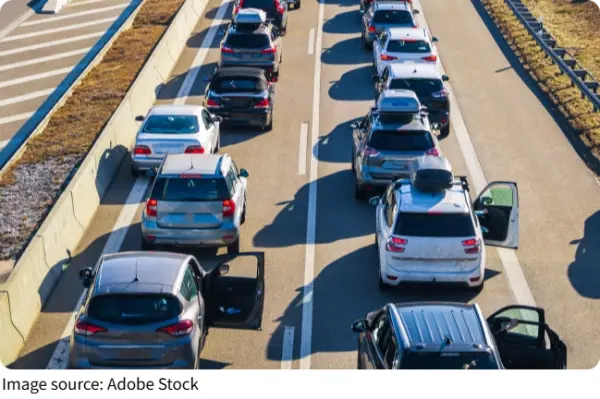
Watching the traffic flow on a busy city street, it's easy to wonder: do electric cars really leave a smaller footprint than traditional gas vehicles?
With more people switching to electric vehicles (EVs), the conversation about which type of car is truly more environmentally friendly has never been louder.
The answer isn't as simple as “EVs are always better”—it depends on energy sources, driving habits, and manufacturing processes.
Production Emissions: Making the Car
Before a car ever hits the road, its production already generates carbon emissions. EVs often require more energy to manufacture, especially due to their batteries. Lithium-ion batteries, for instance, involve mining and processing metals like lithium, cobalt, and nickel.
Drive New for Less: Shockingly Affordable Cars Under $30K!
How to Avoid Hitting Deer: Fall Driving Safety Tips
Discover how modern vehicles use technology to safely control top speeds and protect engines.
How to Maintain Your Vehicle for Safety, Reliability, and Longevity
Why Weather Affects Safety Tech and What Drivers Need to Know
How Freezing Temperatures Can Stop Your Car — and What You Can Do About It
Key points:
- Producing a medium-size EV battery can generate 60–100% more CO₂ than building a conventional car engine.
- Battery manufacturing emissions can be offset over time through lower operational emissions if the car is driven frequently.
- Choosing vehicles with smaller batteries or second-life batteries reduces the production footprint.
A practical example: A compact EV driven 15,000 km annually will “pay back” the extra production emissions in roughly 2–3 years compared to a gas car, assuming electricity comes from a clean energy grid.
Operational Emissions: Driving on the Road
Once on the road, EVs typically produce zero tailpipe emissions, while gas cars emit CO₂, nitrogen oxides, and other pollutants directly into the air. Operational emissions depend heavily on how the car is powered.
Considerations:
- EVs charged on renewable energy grids can operate with nearly zero carbon emissions.
- Gas cars emit about 2.3 kg of CO₂ per liter of gasoline burned, adding up quickly over thousands of kilometers.
- In regions relying heavily on fossil fuels for electricity, EV operational emissions may be closer to a highly efficient gas car.
For instance, an EV charged primarily with wind or solar power for a year's commute can save over 3,000 kg of CO₂ compared to a comparable gas car driven the same distance.
Lifespan and Total Emissions
To assess environmental impact fairly, it's important to consider the car's entire life cycle, including production, driving, and eventual recycling.
Factors to examine:
- Vehicle longevity: Cars lasting longer spread production emissions over more years.
- Battery recycling: Reusing materials reduces future mining and manufacturing emissions.
- Annual mileage: The more an EV is driven, the faster it compensates for its higher production footprint.
For example, a family using an EV for daily commuting and road trips over 10 years can cut total carbon emissions by roughly 40–60% compared to a similar gas car, assuming moderate reliance on clean electricity.
Energy Sources and Regional Differences
Not all electricity grids are equal. EVs in areas powered mainly by coal will indirectly produce more emissions than those charged with renewable energy.
Actionable insights:
- Check your local grid's energy mix before estimating EV emissions.
- Consider charging during off-peak hours when renewable sources are abundant.
- Explore solar panels or home charging from renewable energy for maximum impact.
A commuter in a region with a high share of solar energy could reduce EV-related emissions by half compared to charging on a fossil-fuel-heavy grid, making the vehicle far cleaner than a gas car.
Final Takeaway: Realistic Environmental Impact
While EVs often have a higher initial carbon footprint, their lower operational emissions usually outweigh that disadvantage over time—especially when paired with clean energy. Gas cars may be simpler to produce, but every liter of fuel burned adds to the atmosphere. The most sustainable choice combines smarter driving habits, renewable energy for charging, and longer vehicle lifespans.
If reducing your carbon footprint matters, choosing an EV and charging it wisely can make a tangible difference—transforming daily commutes into a small but meaningful step toward cleaner air and a healthier planet.